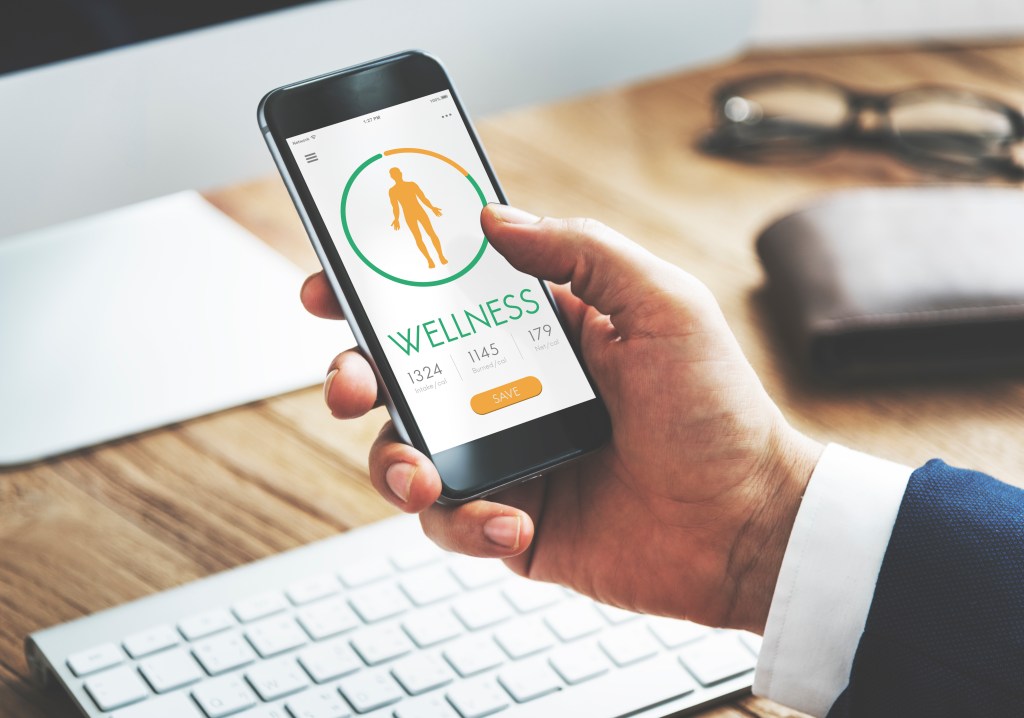
Telemedicine has revolutionized the healthcare sector, enabling patients and healthcare providers to interact seamlessly regardless of location. With its growing adoption worldwide, countries in the Middle East, such as Saudi Arabia and Dubai, are investing heavily in telemedicine mobile app development and telemedicine software development services.
This article explores the hardware and software used in telemedicine and its critical role in transforming healthcare delivery. Telemedicine empowers patients to access quality healthcare services remotely, reducing wait times, improving accessibility, and enhancing overall patient satisfaction. It also enables healthcare providers to efficiently manage patient consultations, monitor patient health, and provide timely interventions.
What is Telemedicine?
Telemedicine, also known as telehealth, is the remote delivery of healthcare services using telecommunication technologies. It allows patients to consult with healthcare providers through virtual means, such as video conferencing, phone calls, or secure messaging. This technology bridges geographical distances, making healthcare more accessible, especially for patients in remote areas. Telemedicine offers a wide range of services, including diagnosis, consultation, medication prescription, and remote monitoring of patient health.
Countries like Saudi Arabia and Dubai are at the forefront of adopting telemedicine, investing heavily in telemedicine mobile app development in Saudi Arabia and telemedicine software development services in Dubai. These initiatives aim to improve healthcare accessibility, reduce healthcare costs, and enhance patient outcomes.
The infrastructure of telemedicine relies on two critical components:
- Hardware: Devices that enable communication and data collection.
- Software: Platforms that facilitate secure, efficient, and user-friendly interaction.
Why Invest in Telemedicine in Saudi Arabia and Dubai?
The Middle East is witnessing a surge in telemedicine adoption due to its potential to overcome geographic barriers, enhance healthcare accessibility, and reduce costs. Here’s why telemedicine mobile app development in Saudi Arabia and telemedicine software development services in Dubai are booming:
- Government Support: Governments in Saudi Arabia and the UAE are actively promoting telemedicine as part of their digital healthcare initiatives.
- Increased Smartphone Penetration: The widespread use of smartphones creates a solid foundation for mobile health solutions.
- Growing Demand for Healthcare Access: Remote consultations are critical in rural or underserved areas.
- Post-COVID-19 Push: The pandemic highlighted the need for robust telemedicine platforms.
Key Features of Telemedicine Software
When investing in telemedicine software development services in Dubai or designing apps in Saudi Arabia, the following features should be prioritized:
- User-Friendly Interface
- Intuitive design for seamless navigation by patients and doctors.
- HIPAA and GDPR Compliance
- Ensures data privacy and security in accordance with global standards.
- Multi-Language Support
- Critical in the Middle East to cater to diverse populations.
- Integration with Medical Devices
- Enables real-time data sharing from wearable and diagnostic tools.
- Appointment Scheduling and Management
- Simplifies booking, rescheduling, and reminders.
- E-Prescriptions
- Digital prescriptions shared directly with pharmacies.
- Payment Gateway Integration
- Secure online payment options for consultations and services.
- Analytics and Reporting
- Tracks patient progress and generates insightful reports for healthcare providers.
Hardware for Telemedicine
The hardware in telemedicine ranges from basic communication devices to sophisticated medical equipment. Below is an overview of essential hardware components:
1. Smartphones and Tablets
- Usage: Used by patients and doctors for video consultations, accessing medical records, and managing appointments.
- Importance: Smartphones are central to telemedicine mobile app development in Saudi Arabia, enabling widespread adoption due to high mobile penetration rates.
2. Computers and Laptops
- Usage: Provide access to telemedicine platforms for detailed diagnostics and data management.
- Importance: Essential for healthcare providers who need larger screens for managing complex patient data.
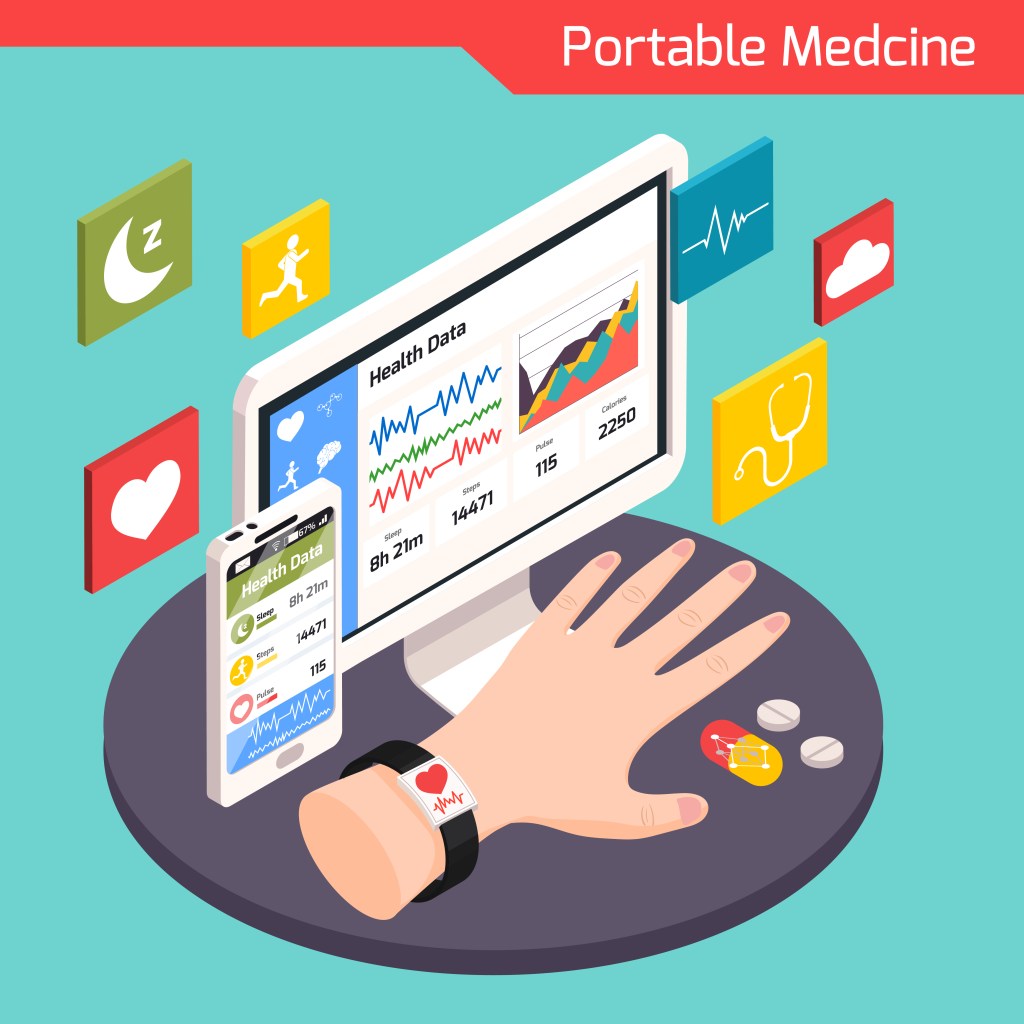
3. Wearable Devices
- Examples: Smartwatches, fitness trackers, and specialized health monitors.
- Usage: Remote patient monitoring for tracking vitals like heart rate, blood pressure, and glucose levels.
- Market Relevance: Increasingly popular in Dubai for chronic disease management and wellness monitoring.
4. Medical Devices with IoT Integration
- Examples: Digital stethoscopes, otoscopes, and ECG monitors.
- Usage: These devices capture real-time patient data and transmit it to healthcare providers through telemedicine software.
- Importance: Critical for remote diagnostics and treatment plans.
5. Telemedicine Kiosks
- Usage: Standalone kiosks equipped with cameras, screens, and diagnostic tools for public or clinic-based telemedicine consultations.
- Importance: Widely adopted in Saudi Arabia’s healthcare facilities for enhanced accessibility.
6. Network Infrastructure
- Examples: Routers, modems, and high-speed internet connections.
- Usage: Ensures stable and secure communication during telemedicine sessions.
- Importance: The backbone of real-time communication between patients and doctors.
7. Video Conferencing Equipment
- Examples: Cameras, microphones, and headsets.
- Usage: Facilitates clear and uninterrupted communication during consultations.
- Importance: Essential for building trust and ensuring a seamless patient experience.
Software for Telemedicine
The software ecosystem for telemedicine is equally critical. It includes applications, platforms, and tools designed to provide efficient, secure, and user-friendly services.
1. Telemedicine Platforms
- Usage: Centralized systems for managing patient records, video consultations, and billing.
- Examples: Doxy.me, Amwell, and Teladoc Health.
- Custom Solutions: Companies in Dubai offer telemedicine software development services tailored to specific healthcare needs.
2. Mobile Applications
- Examples: Doctor-on-demand apps, health monitoring apps.
- Features:
- Appointment booking.
- Video consultation.
- Digital prescriptions.
- Relevance in Saudi Arabia: High smartphone usage fuels the growth of telemedicine mobile app development in the region.
3. Electronic Health Record (EHR) Systems
- Usage: Digitally stores and manages patient medical histories.
- Integration: EHR systems can integrate with telemedicine software to provide holistic patient care.
4. Remote Patient Monitoring (RPM) Software
- Usage: Tracks and analyzes data from wearable devices and IoT-enabled medical tools.
- Examples: Vital signs monitoring, chronic disease management tools.
- Significance: RPM software is a cornerstone for preventive care and chronic disease management in Dubai.
5. Artificial Intelligence (AI) and Machine Learning
- Usage: AI-powered telemedicine software can:
- Diagnose conditions based on symptoms.
- Offer personalized treatment recommendations.
- Advancements in Dubai: AI integration in telemedicine software development services enhances diagnostics and decision-making.
6. Blockchain for Data Security
- Usage: Ensures secure and transparent handling of patient data.
- Significance: Vital for compliance with healthcare regulations like GDPR and HIPAA.
7. Video Conferencing Tools
- Usage: Provides the backbone for real-time doctor-patient consultations.
- Examples: Zoom for Healthcare, VSee, and custom-built solutions in Dubai.
- Importance: Ensures high-quality video and audio transmission for better consultation experiences.
8. Chatbots and Virtual Assistants
- Usage: Offers 24/7 patient support for scheduling, FAQs, and symptom checkers.
- Examples: Chatbots integrated into telemedicine mobile apps.
- Role in Saudi Arabia: Enhances accessibility and reduces operational costs.
The Role of Custom Telemedicine Solutions in Dubai
Custom telemedicine solutions are playing a pivotal role in transforming the healthcare landscape in Dubai. By tailoring software and mobile applications to specific needs, healthcare providers can deliver personalized and efficient care. Telemedicine software development services in Dubai enable the creation of customized platforms that integrate seamlessly with existing healthcare systems. These solutions can offer features like secure video consultations, electronic health records, remote patient monitoring, and telepharmacy.
By adopting custom telemedicine solutions, healthcare providers in Dubai can enhance patient engagement, improve healthcare outcomes, and optimize operational efficiency.
Emerging Trends in Telemedicine
- 5G Integration
- Ultra-fast networks enable high-quality video consultations and real-time data sharing.
- Growing adoption in Saudi Arabia and Dubai.
- AI-Driven Diagnostics
- AI tools for predicting diseases and automating administrative tasks.
- Telemedicine in Virtual Reality (VR)
- Immersive VR experiences for mental health therapies and surgical consultations.
- Cloud-Based Telemedicine
- Ensures scalability and cost-effectiveness.
- Telemedicine for Specialized Care
- Platforms focused on dermatology, mental health, and chronic disease management.
Conclusion
Telemedicine is shaping the future of healthcare, with a robust combination of hardware and software driving its growth. Countries like Saudi Arabia and Dubai are at the forefront of this transformation, leveraging telemedicine mobile app development and software development services to provide efficient, accessible, and high-quality healthcare solutions.
For entrepreneurs and healthcare providers, investing in state-of-the-art telemedicine hardware and software is a step toward building sustainable and innovative healthcare ecosystems. By choosing the right technology stack, embracing emerging trends, and prioritizing user-friendly features, the Middle East is set to become a global leader in telemedicine adoption.
 Site Title
Leave a comment